

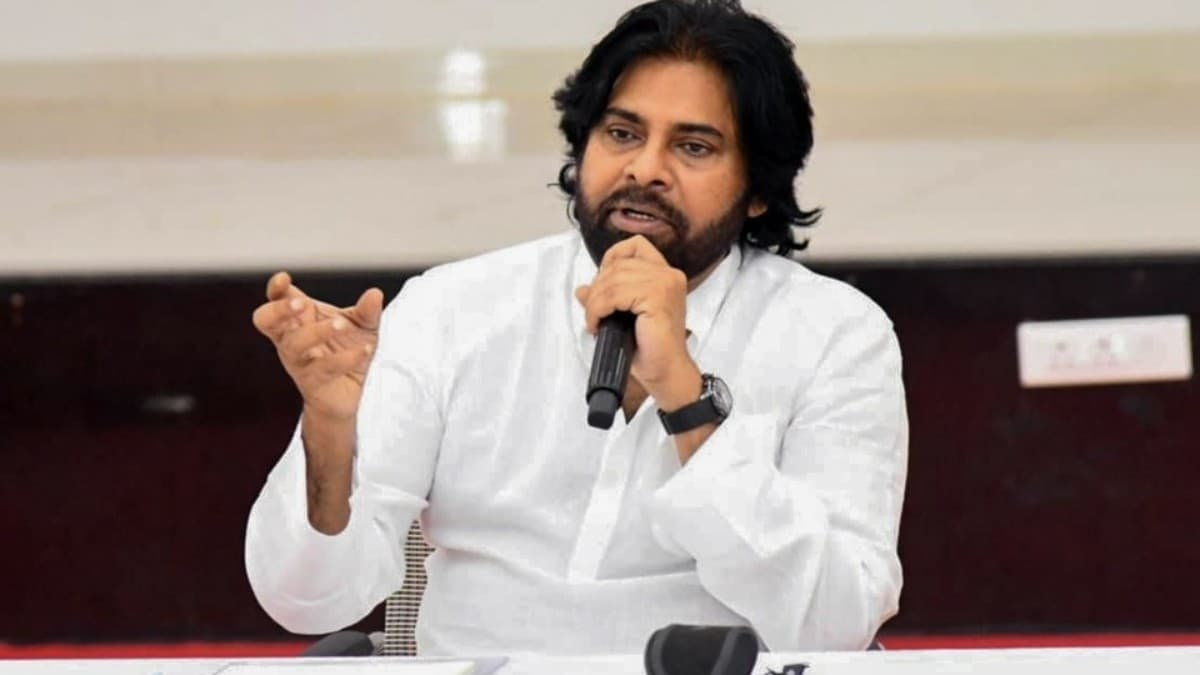
The JanaSena Party is systematically restructuring its political approach in Andhra Pradesh by moving away from a uniform alliance formula to contest the upcoming local body elections. Led by Deputy Chief Minister Pawan Kalyan, the party has rejected the strict seat-sharing boundaries used during the 2024 Assembly elections in favour of a dynamic, localized model. This strategy aims to solidify the organization at the village, mandal, and municipal ward levels while accommodating the distinct socio-political realities of individual districts.
Rather than applying a rigid statewide template, the party leadership is evaluating grassroots capabilities to claim an increased share of contests under the National Democratic Alliance. The transition points toward a major structural expansion as the ruling coalition, which includes the Telugu Desam Party and the Bharatiya Janata Party, prepares for urban and rural local body polls.
Shift to Region-Specific Seat Sharing
The central component of the new strategy involves abandoning the fixed 21-seat Assembly election formula that guided the alliance previously. The party chief has clarified that local body dynamics require an independent methodology based on real organizational strength on the ground. This region-specific approach allows local units to demand candidacies where the party possesses a demonstrable vote base and active cadre representation.
To systematically execute this strategy, the leadership has set up a dedicated machinery to analyze local feedback. Senior leader Nadendla Manohar has been overseeing the establishment of regional offices, including a newly opened regional hub in Visakhapatnam to monitor the north Andhra districts, alongside a planned office in Rayalaseema to cover Chittoor, Anantapur, Kadapa, and Kurnool. These offices are intended to keep the state leadership directly linked with grassroots aspirants.
Establishment of the Campaign Committee
In a major organizational step, the party has formally established a specialized campaign committee to streamline election operations. State Tourism Minister Kandula Durgesh has been appointed as the coordinator of the election campaign committee. The panel also includes Andhra Pradesh Medical Services and Infrastructure Development Corporation Chairman Chillapalli Srinivasa Rao as a core member, with additional structural roles to be filled subsequently.
This committee is tasked with organizing municipal and panchayat election campaigns, ensuring the timely distribution of promotional material, and resolving any coordination friction between coalition partners at the field level. The appointment underscores the party's focus on maintaining professional administrative oversight over its political machinery during the high-stakes local contests.
Data and Statistics
The data driving the current political framework highlights the expanding electoral footprint of the organization:
100 Percent: The clean sweep success rate recorded by the party in the 2024 general elections, winning all 21 Assembly seats and both Lok Sabha seats it contested.
14 Members: The total strength of the high-level committee previously constituted by the party chief to frame initial local body election guidelines.
30 Days: The duration of the intensive grassroots action plan initiated to mobilize youth and women activists across rural pockets.
3 Seats: The number of wards won by the party during the 2021 Greater Visakhapatnam Municipal Corporation elections under challenging political circumstances, alongside finishing second in seven other segments.
Official Statements
Emphasizing the protection of party identity and worker aspirations, Deputy Chief Minister Pawan Kalyan stated during a legislative party interaction that the upcoming local body elections will be approached entirely on the basis of ground realities rather than a uniform statewide formula. He noted that the political aspirations and self-respect of active workers must be safeguarded while finalising candidates and areas of contest.
Following his appointment as campaign coordinator, Minister Kandula Durgesh released a statement affirming his objective: "Under the guidance of the party chief and in accordance with the policies laid down by the leadership, I will work in coordination at every level and make every effort to ensure the effective conduct of the local body election campaign."
Analysis
The strategy adopted by the party represents a calculated effort to transition from a dependent coalition partner into a deeply entrenched regional political entity. By demanding a flexible seat-sharing model, the leadership is attempting to prevent its grassroots workers from becoming inactive in constituencies currently held by its alliance partners.
Furthermore, this decentralized model serves as an important test for the ruling coalition's internal stability. While the top leadership demonstrates alignment at the state level, local body elections often trigger friction among village-level workers over ticket distribution. By appointing senior ministers to head the campaign and coordination panels, the leadership intends to extract maximum local representation without causing a structural breakdown of the alliance before the upcoming municipal and panchayat polls.